Plenty of RV maintenance is owner-friendly — and some of it can hurt you or your rig if it goes wrong. These precautions keep DIY work safe, and help you recognize the jobs to leave to a technician.
Before you start
- Park on level, solid ground and chock the wheels
- Disconnect shore power and turn off the inverter when working on electrical
- Turn off LP gas at the tank before working near appliances
- Wear eye protection and gloves
Jacking and lifting
Stabilizer jacks and leveling jacks are not meant to hold the RV for work underneath it. Use jack stands rated for the weight, placed where the manufacturer specifies.
Roof work
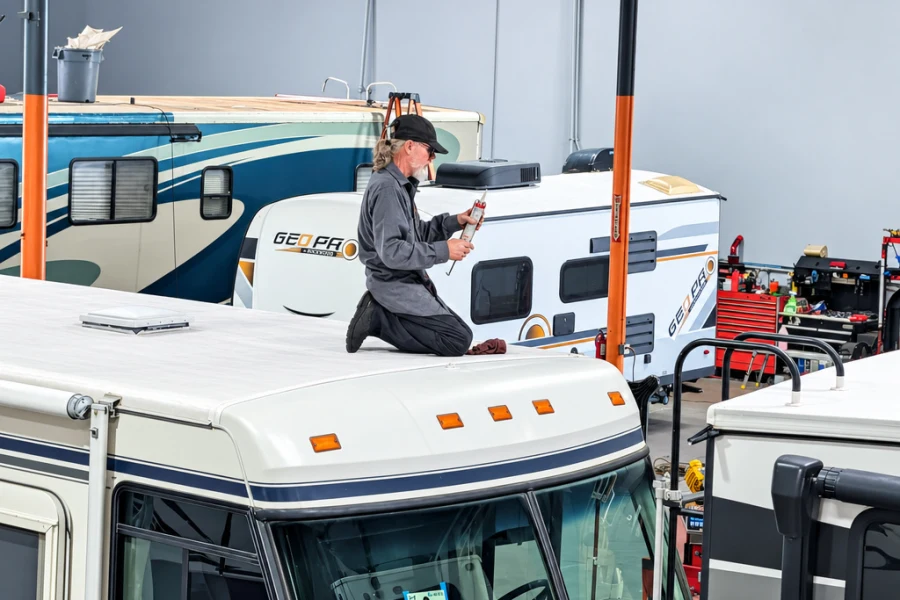
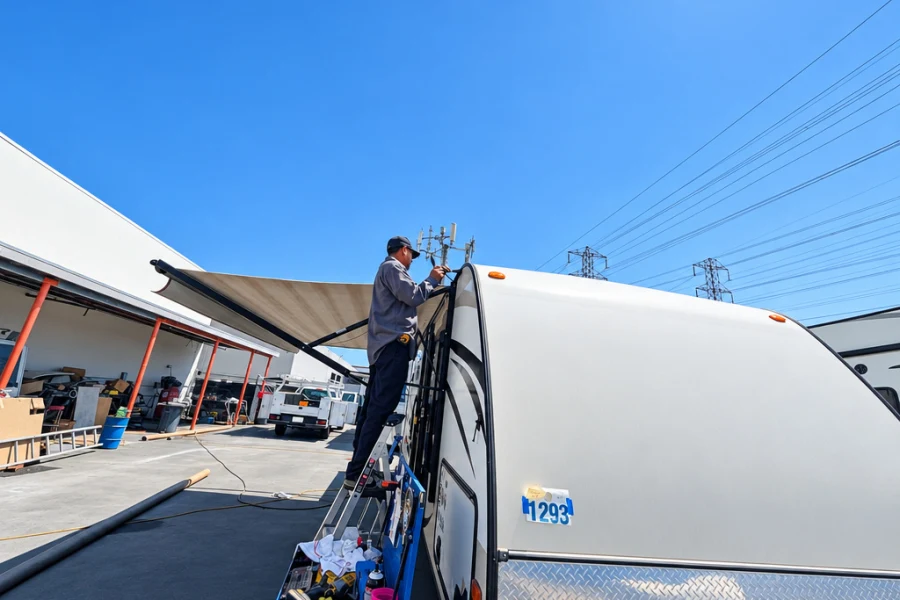
Falls are a real risk. Check whether your roof is walkable, use a stable ladder, and avoid working on the roof when it’s wet or windy.
Leave these to a pro
- LP gas lines, regulators and appliance burners
- 120V electrical and inverter installs
- Brakes and suspension
- Structural and frame repairs
- Awning roller springs
Get a second set of eyes
If a DIY job doesn’t go as planned, it’s cheaper to stop and call than to keep going. See RV repair and maintenance.
Frequently asked questions
Is it safe to work under my RV on its jacks?
No. Use jack stands rated for the weight — leveling jacks aren’t designed to hold the RV for work underneath.
Can I work on my RV's propane system?
LP gas work should be done by a qualified technician and leak-tested afterward.
What maintenance is safe to DIY?
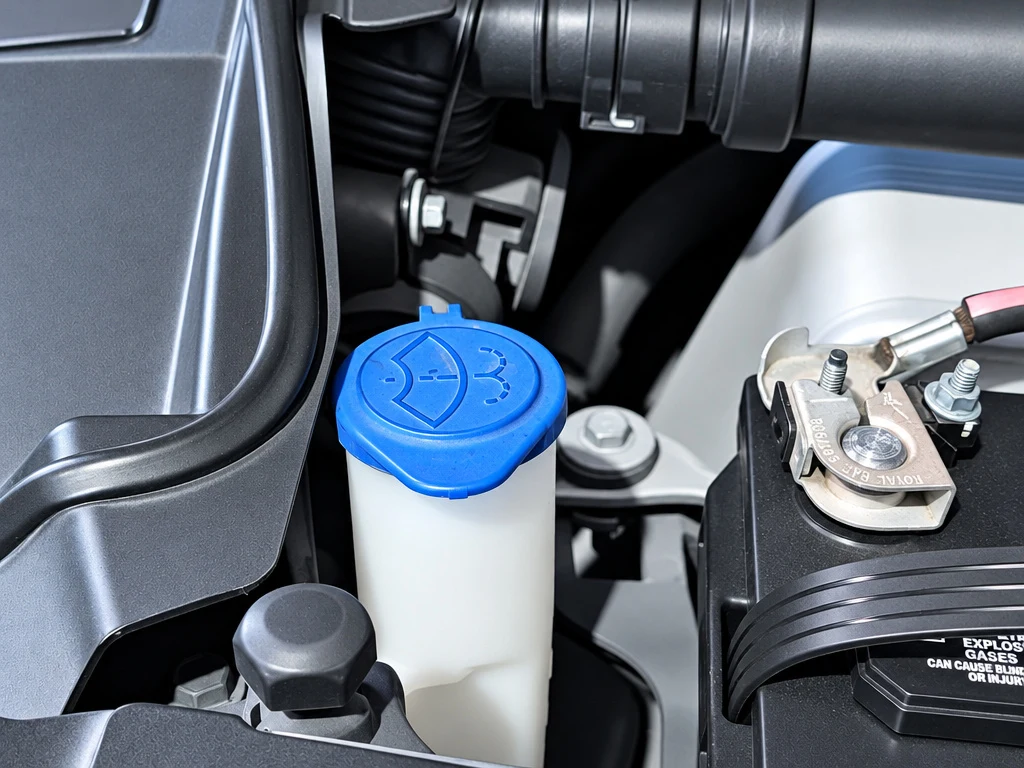
Washing, tire pressure checks, simple cleaning and lubricating, and battery terminal cleaning are good owner tasks.
Need help with this? See our RV repair and maintenance service, call (949) 830-1996, or request an appointment. Appointments are available Monday through Friday, and Saturday appointments begin January 1, 2027.

Have a question about your RV?
Our service advisors answer the phone — and we put the estimate in writing before any work.